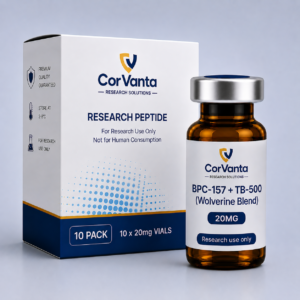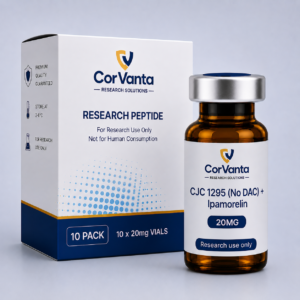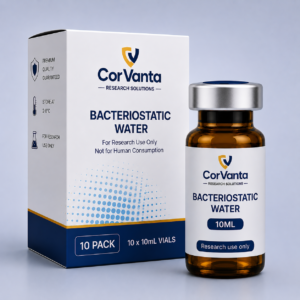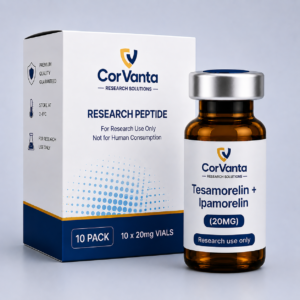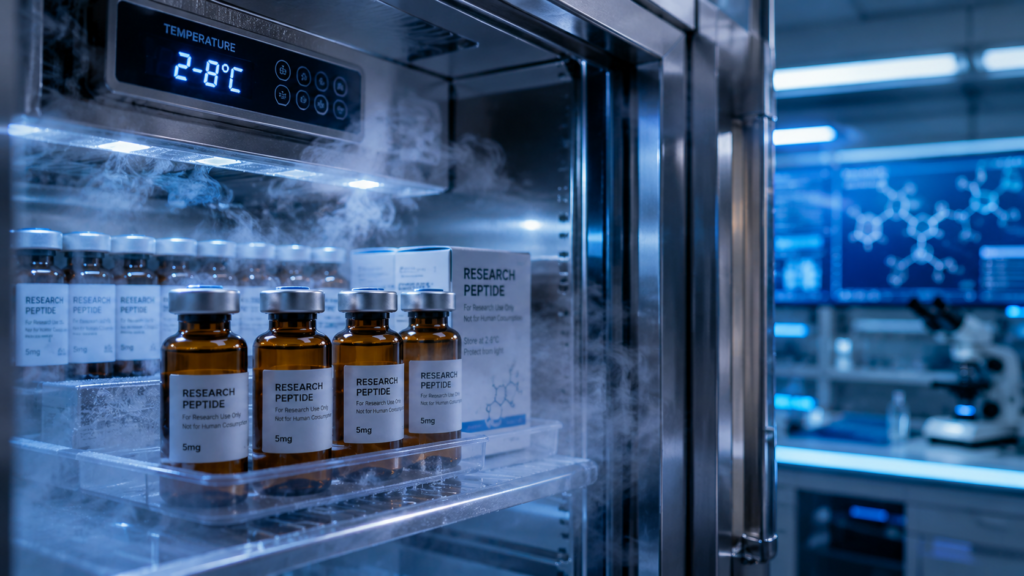
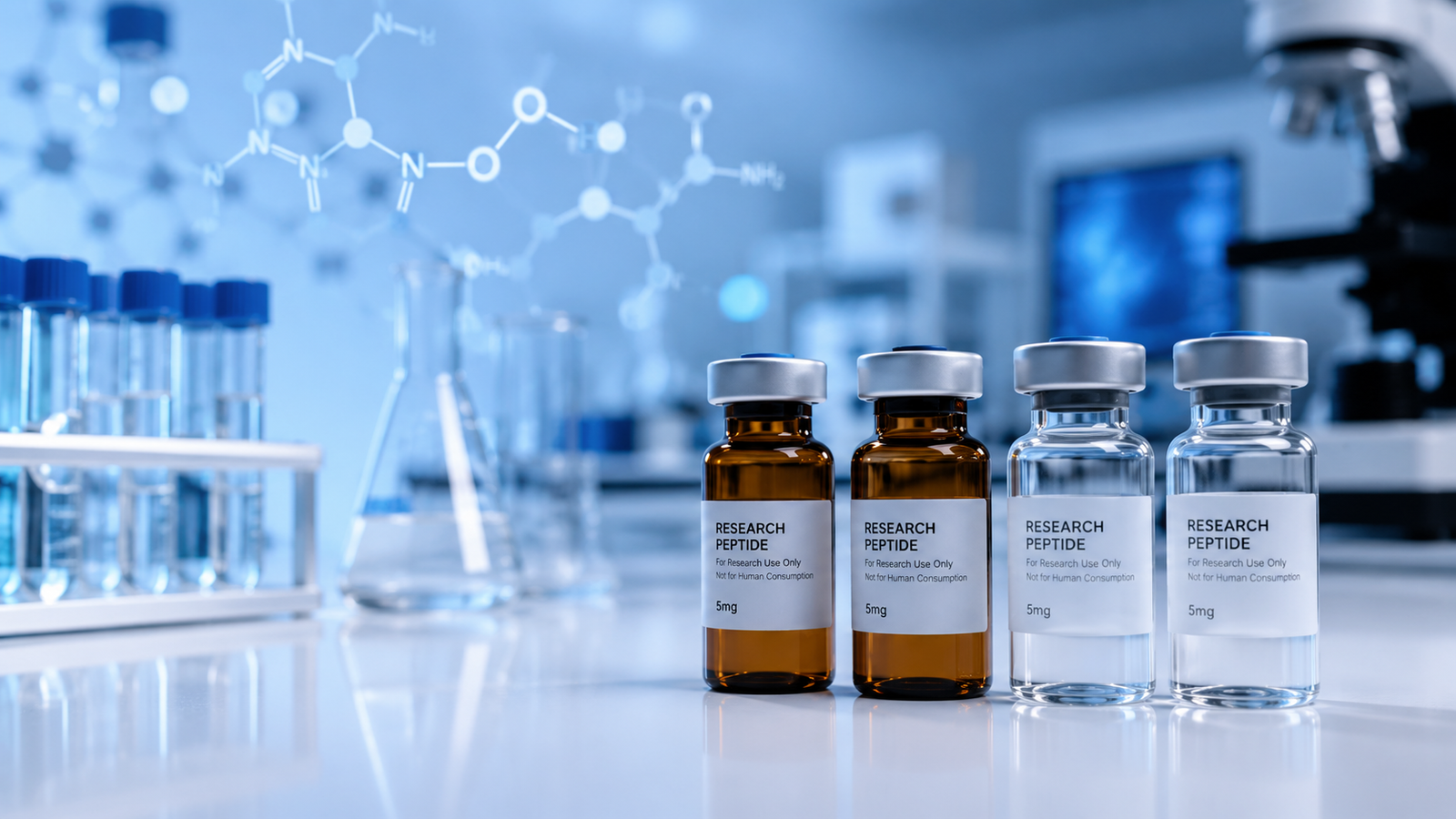
When it comes to packaging research peptides, the type of vial used can play an important role in preserving product integrity during storage and transportation. While both clear and amber borosilicate glass vials are commonly used in laboratory settings, amber vials provide additional protection against light exposure, making them the preferred choice for many light-sensitive compounds.
What Is the Difference?
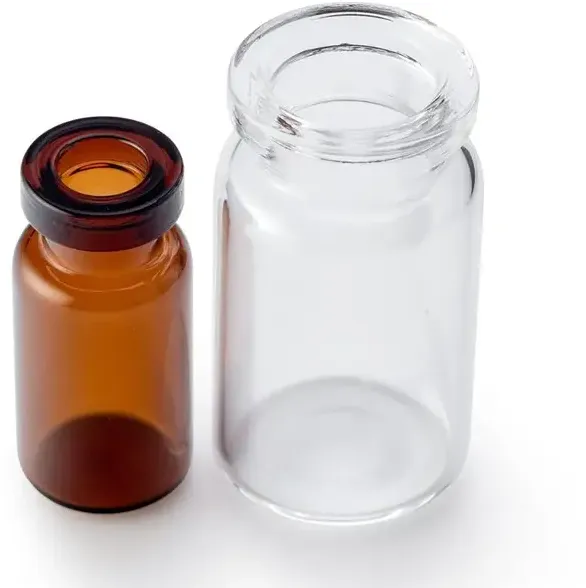
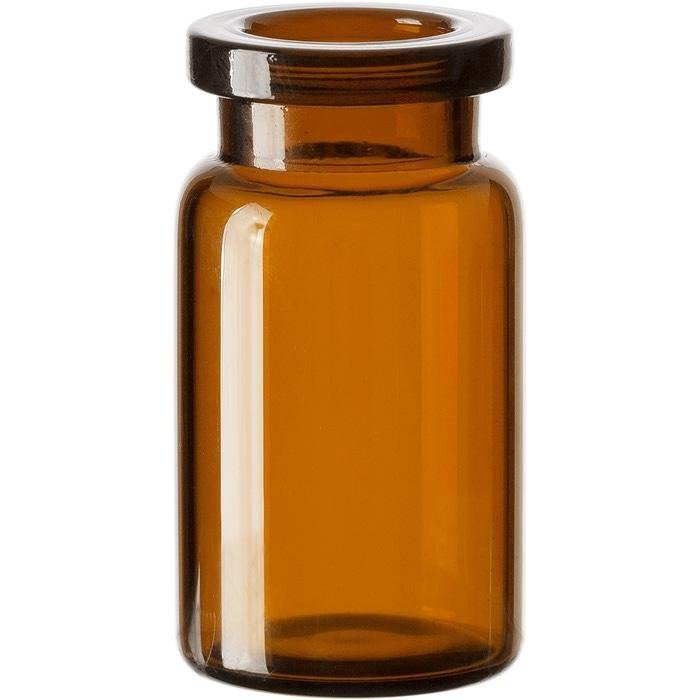
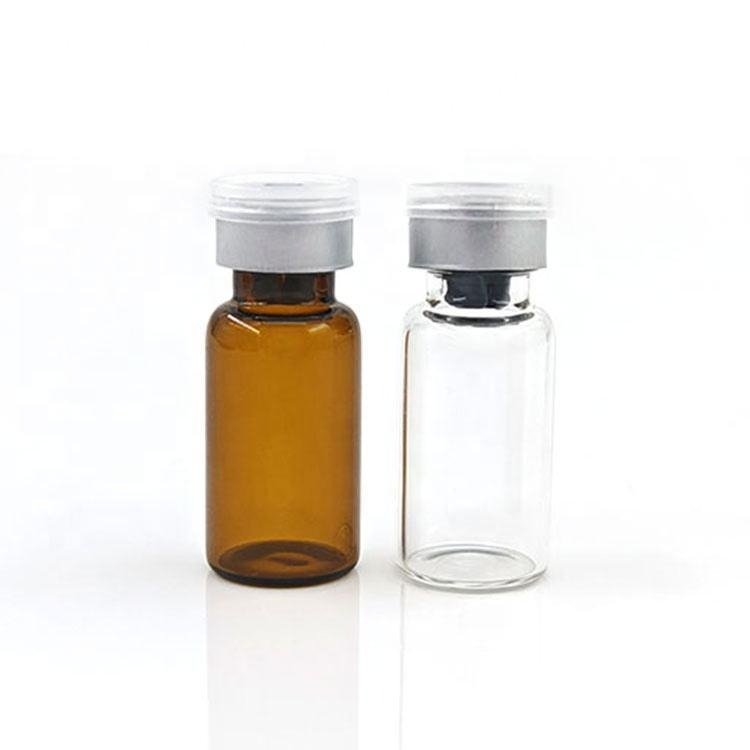
The primary difference between amber and clear vials is their ability to filter ultraviolet (UV) and visible light.
Clear Glass Vials
- Allow nearly all visible light to pass through.
- Make it easy to visually inspect vial contents.
- Suitable for compounds that are not sensitive to light.
- Offer little protection against UV-induced degradation.
Amber Glass Vials
- Filter a significant portion of harmful UV and blue light.
- Help reduce photodegradation of light-sensitive materials.
- Better maintain long-term product stability during storage.
- Commonly used throughout the pharmaceutical, biotechnology, and laboratory industries.
Why Light Matters
Many peptides and biologically active compounds are susceptible to photodegradation, a process in which exposure to ultraviolet or high-energy visible light causes chemical changes.
Potential effects of excessive light exposure include:
- Degradation of peptide structure
- Oxidation of sensitive amino acids
- Reduced stability over time
- Changes in appearance or color
- Shortened shelf life
While lyophilization (freeze-drying) greatly improves peptide stability, protecting the finished product from unnecessary environmental stress—including light—is considered a best practice.
Benefits of Amber Vials
1. Superior UV Protection
Amber glass blocks much of the UV spectrum responsible for initiating photochemical reactions, helping protect sensitive research materials during storage and transportation.
2. Improved Long-Term Stability
Reducing light exposure may help preserve the integrity of light-sensitive compounds throughout their recommended storage period.
3. Better Shipping Protection
Packages may encounter sunlight or bright warehouse lighting during shipping. Amber glass provides an additional layer of protection without requiring special packaging.
4. Industry Standard for Sensitive Products
Many pharmaceutical manufacturers package injectable medications, vaccines, biologics, and laboratory reagents in amber glass because of its protective properties.
5. Professional Laboratory Appearance
Amber glass is often associated with premium laboratory packaging and demonstrates attention to product handling and preservation.
Does Amber Glass Replace Proper Storage?
No.
Amber vials are one component of good storage practices and should be used alongside appropriate handling procedures, including:
- Keeping products refrigerated or frozen when recommended
- Protecting materials from excessive heat
- Avoiding repeated freeze-thaw cycles
- Minimizing prolonged exposure to light during handling
Amber glass provides added protection but is not a substitute for proper storage conditions.
Are Clear Vials Ever Appropriate?
Absolutely.
Clear borosilicate glass remains an excellent option for many laboratory compounds that are not especially sensitive to light. It also offers improved visual inspection of vial contents.
However, when there is any concern about light sensitivity or long-term storage, amber glass generally provides an additional margin of protection.
Why Many Research Suppliers Prefer Amber Vials
For suppliers focused on quality and product preservation, amber vials offer several advantages:
- Enhanced protection from UV exposure
- Better preservation during storage and shipping
- Reduced risk of photodegradation
- Widely recognized pharmaceutical packaging standard
- Professional appearance for laboratory products
Conclusion
Although both clear and amber borosilicate vials are suitable for laboratory use, amber vials provide meaningful protection against light exposure that can contribute to the degradation of certain research compounds. By filtering harmful UV light while maintaining the strength and chemical resistance of borosilicate glass, amber vials help support better product stability throughout storage and transportation.
For laboratories and research suppliers looking to maximize product protection, amber glass is often the preferred packaging choice.
References
https://peptidecase.com/blog/amber-vs-clear-vials?utm_source=chatgpt.com
https://www.pharmaglass.co.id/en/compare/amber-vs-clear?utm_source=chatgpt.com