
Peptides have become an increasingly important area of scientific research and modern medicine. However, not all peptides are intended for the same purpose. If you’ve spent time researching peptides, you’ve likely come across two common terms: Research Use Only (RUO) and Prescription (Rx) peptides.
Although some peptides may share the same molecular structure, their intended use, regulatory status, manufacturing standards, and distribution channels are very different. Understanding these differences is essential for researchers, healthcare professionals, and anyone interested in peptide science.
What Are Research Use Only (RUO) Peptides?
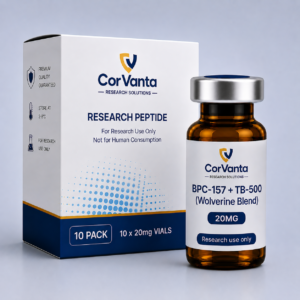
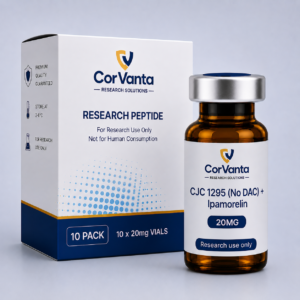
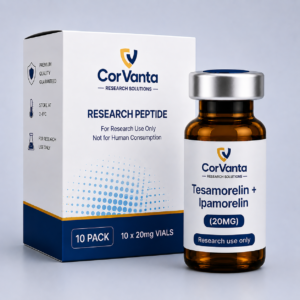
Research Use Only (RUO) peptides are compounds manufactured and distributed exclusively for laboratory research and scientific investigation. These products are intended for applications such as:
- Cell culture studies
- In vitro laboratory experiments
- Preclinical research
- Analytical testing
- Method development
RUO peptides are clearly labeled “For Research Use Only. Not for Human Consumption.” Their purpose is to support scientific discovery—not clinical treatment or patient care.
The U.S. Food and Drug Administration (FDA) states that products labeled as RUO are intended for research applications and should not be represented as approved for diagnostic or therapeutic use.
What Are Prescription (Rx) Peptides?
Prescription (Rx) peptides are medications that have been approved by regulatory authorities or legally prescribed by licensed healthcare providers. These products are intended for use in patients under medical supervision.
Examples include peptide-based therapies used to treat conditions such as:
- Type 2 diabetes
- Growth hormone deficiencies
- Osteoporosis
- Hormonal disorders
- Other FDA-approved medical conditions
Prescription peptides are manufactured under strict pharmaceutical quality standards, including Current Good Manufacturing Practices (cGMP), extensive quality control testing, clinical evaluation, and ongoing regulatory oversight.
Key Differences Between RUO and Rx Peptides
| Research Use Only (RUO) | Prescription (Rx) |
| Intended solely for laboratory research | Intended for patient treatment |
| Not approved for human use | Prescribed by licensed healthcare providers |
| Used in research environments | Used in clinical settings |
| Labeled “For Research Use Only” | Dispensed as prescription medication |
| Supports scientific investigation | Supports approved medical therapies |
Why the Distinction Matters
The most important difference between RUO and prescription peptides is intended use.
A peptide labeled for research is designed to support scientific experimentation. It is not marketed or distributed as a medication for patients. Conversely, prescription peptides undergo regulatory review to evaluate their quality, safety, and effectiveness for specific medical uses before they are prescribed.
This distinction helps maintain clear boundaries between laboratory research and clinical medicine while supporting innovation through responsible scientific investigation.
Quality Considerations
Quality standards differ depending on a product’s intended use.
Legitimate research suppliers often provide documentation such as:
- Certificate of Analysis (CoA)
- Purity testing (commonly HPLC)
- Identity confirmation (LC-MS)
- Batch traceability
Prescription products, however, are manufactured under pharmaceutical regulations that include comprehensive quality systems, validated manufacturing processes, stability studies, sterility requirements (when applicable), and regulatory inspections.
The applicable quality expectations depend on whether the product is intended for laboratory research or for clinical use.
Why Researchers Choose RUO Peptides
Research peptides play a valuable role in advancing science by allowing investigators to study:
- Cellular signaling pathways
- Receptor interactions
- Drug discovery
- Molecular biology
- Pharmacology
- Biochemistry
Many therapies used in medicine today began as compounds investigated in laboratory research before progressing through years of preclinical and clinical development.
Final Thoughts
Research Use Only (RUO) peptides and Prescription (Rx) peptides each serve important—but distinctly different—roles.
RUO peptides are intended to support scientific research and laboratory investigation, while prescription peptides are regulated medical products intended for patient care under the supervision of licensed healthcare professionals.
Understanding the difference helps ensure that peptides are used within their appropriate scientific and regulatory context.
References
https://www.fda.gov/regulatory-information/search-fda-guidance-documents/distribution-in-vitro-diagnostic-products-labeled-research-use-only-or-investigational-use-only?utm_source=chatgpt.com
https://www.peptidejournal.org/legal/research-use-only-peptides-legal-gray-area-explained?utm_source=chatgpt.com